
Most homeowners never think about their septic system — until the day it fails and the backyard smells like a sewage plant. That's usually the most expensive day of the year. According to the U.S. Environmental Protection Agency (EPA), there are over 21 million septic systems in use across the United States, and a poorly maintained system can cost homeowners anywhere from emergency repairs. If you live in Great Falls and haven't scheduled reliable septic pumping in Great Falls in the last few years, this post is for you. We're going to talk about what regular pumping actually does, why skipping it always backfires, and how it protects your property in ways most people don't expect.
So What Does Septic Pumping Actually Do?
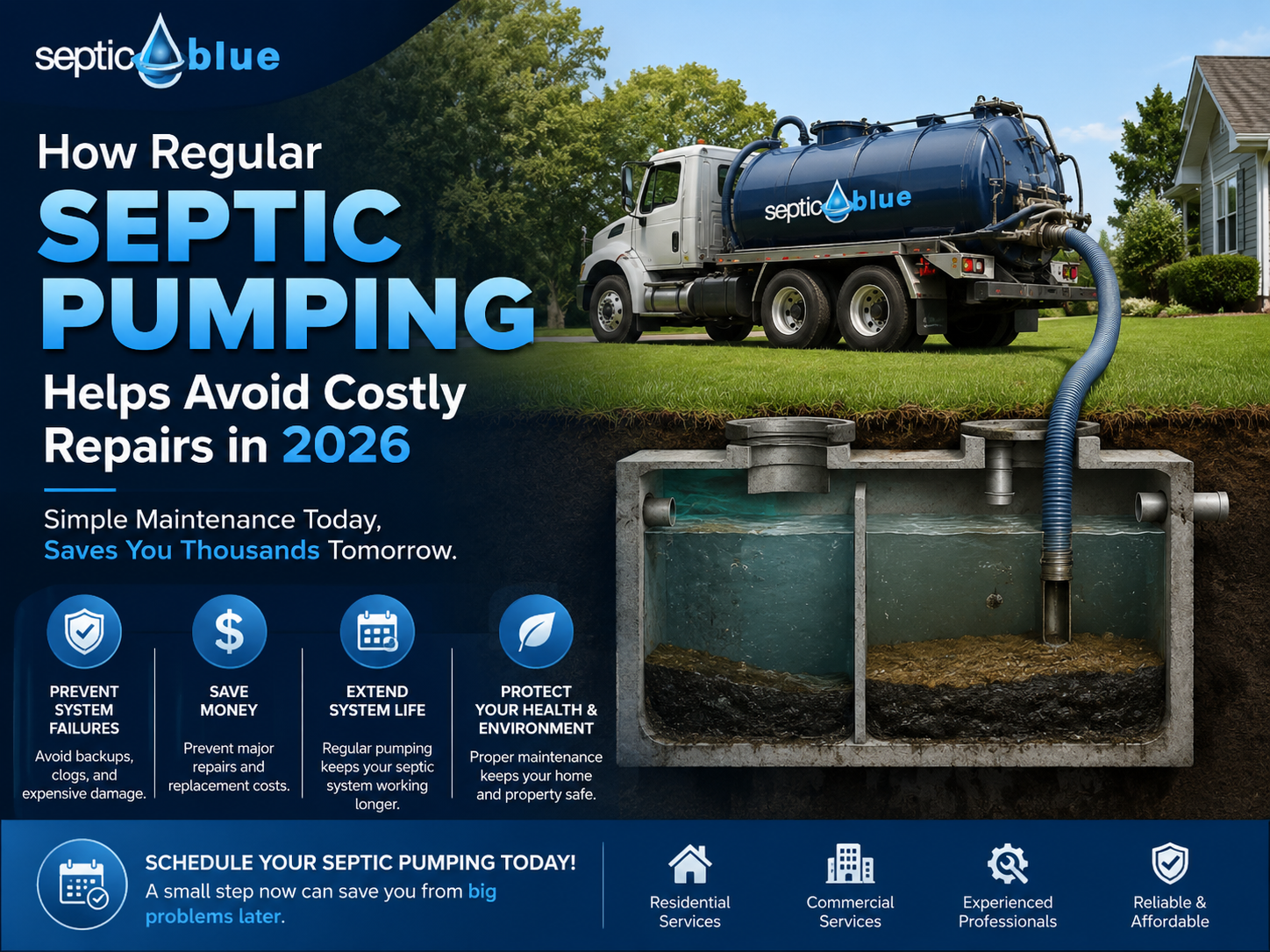
Here's the simple version. Your septic tank collects all the wastewater from your home — toilets, showers, sinks, laundry. Inside the tank, solid waste sinks to the bottom and forms a layer called sludge. Lighter stuff like grease and oils float to the top as scum. The liquid in the middle flows out to your drain field.
The problem? That sludge layer keeps growing. Every single day, a little more builds up. Pumping removes it before it takes over the tank and causes a system backup.
Think of it like oil changes for your car. You don't wait until the engine seizes to change the oil. Same idea here — regular maintenance keeps the whole system running the way it should.
How Often Should You Actually Pump Your Septic Tank?
This is one of the most common questions homeowners ask, and the honest answer is: it depends.
The EPA recommends pumping every 3 to 5 years for an average household. But that number changes based on how many people live in your home, how big your tank is, and what you're putting down the drains.
A family of five with a smaller tank might need pumping every 2 years. A retired couple in a bigger home might stretch it to 5 or 6 years. The only way to know for sure is to have a professional check it.
What usually fails: homeowners assume "if nothing's wrong, we're fine." That's exactly the thinking that leads to flooded yards and ruined drain fields.
What Happens When You Skip Regular Pumping?
This is where things get ugly — and expensive.
When the sludge layer gets too thick, it starts pushing into the outlet pipe that leads to the drain field. Once solid waste reaches the drain field, it clogs the soil. And here's the thing about drain fields — you can't really "unclog" them. In most cases, a clogged drain field means full replacement, which can cost $10,000 to $30,000 depending on your property and soil conditions.
Skipping pumping doesn't save money. It just delays a much bigger bill.
Beyond the cost, there are real health risks. A failing septic system leaks untreated sewage into the ground. That sewage can reach groundwater, nearby wells, and surface water. In Montana, where a lot of Great Falls properties rely on private wells, this is a serious concern — not just for your family but for your neighbors too.
Does Regular Septic Pumping Actually Protect Your Property Value?
Yes — and more than most people realize.
When you go to sell your home, buyers in Great Falls (and really anywhere) will ask for a septic inspection. If your system shows signs of neglect — full tanks, early drain field damage, or no pumping records — that becomes a negotiating chip against you. Some buyers walk away entirely.
A well-maintained septic system with documented pumping history, on the other hand, is a selling point. It tells buyers the home has been taken care of. That's peace of mind they'll pay for.
Real estate agents in areas with high septic system use will tell you — a failed inspection kills more deals than almost anything else. Don't let that be your situation.
What Are the Warning Signs Your System Is Overdue?
Your septic system will usually give you hints before it completely fails. Here's what to pay attention to:
Slow drains throughout the house — not just one drain, but multiple. This often means the tank is full.
Gurgling sounds from toilets or drains after flushing or running water.
Sewage odors inside the house or near the tank and drain field outside. A properly working system should never smell.
Wet or spongy grass over the drain field area, especially when it hasn't rained. That moisture is coming from somewhere underground.
Sewage backup in the lowest drains of your home — basement toilets, laundry drains. This is a full emergency situation.
If you're seeing any of these, don't wait for your next scheduled pumping. Call a professional now.
What Actually Happens During a Septic Pumping Visit?
A lot of homeowners have never seen the process, so here's what to expect.
Step 1: The technician locates your septic tank lid. On some older properties, this requires some digging if the lid isn't at surface level.
Step 2: The lid is opened and the technician does a visual inspection of the tank — checking sludge levels, scum layer, inlet and outlet baffles, and the general condition of the tank walls.
Step 3: A large vacuum hose is inserted into the tank and the sludge, scum, and liquid are pumped out into a truck. A standard residential tank takes about 30 to 45 minutes to empty.
Step 4: The technician inspects again after pumping — this is when cracks, damaged baffles, or other issues are easier to spot since the tank is empty.
Step 5: The lid is replaced, the area is cleaned up, and you get a report on the system's condition.
That's it. The whole visit usually takes under two hours. It's not dramatic, but what it prevents absolutely is.
What Works and What Often Fails with Septic Maintenance
Here's something most blog posts won't tell you directly — there are things people do thinking they're helping their septic system that actually make things worse.
What works:
Pumping on a regular schedule based on your household size and tank capacity
Water conservation — spreading laundry loads throughout the week instead of doing five loads in one day
Keeping records of every pump-out, inspection, and repair
Planting only grass over and near the drain field (roots from trees and shrubs destroy pipes)
Using septic-safe toilet paper — it breaks down much faster
What often fails:
Using septic "treatments" or additives — the EPA has found little evidence these work, and some can actually harm the bacterial balance in your tank
Flushing "flushable" wipes — they don't break down and pile up in the tank faster than anything else
Pouring grease down the drain — it hardens in the tank and clogs the outlet pipe
Ignoring slow drains and hoping they clear up on their own
Waiting until there's a visible problem before calling for service
The difference between a well-maintained system and a failing one often comes down to small habits, not big dramatic events.
How Does Great Falls Climate Affect Your Septic System?
Montana winters are no joke — and your septic system feels them too.
Frozen ground can affect how well your drain field processes liquid. When the soil is frozen solid, it can't absorb water the way it does in warmer months. This puts extra stress on an already full tank.
In Great Falls specifically, the freeze-thaw cycle through late fall and early spring creates ground movement that can stress older pipes and tank walls. This is why fall is actually one of the best times to schedule pumping — you're going into winter with an empty tank and a system that's been inspected.
Spring is also a smart time to pump, especially after snowmelt. A lot of Great Falls homeowners don't realize that heavy snowmelt adds a significant amount of water to the soil, which reduces the drain field's ability to absorb wastewater for weeks at a time.
Timing your pumping around the seasons isn't overthinking it — it's genuinely smart property maintenance in this climate.
Is Septic Pumping Worth the Cost?
Let's put it plainly. A routine pump-out in Great Falls typically costs between $300 and $600 depending on the tank size and access. That's every 3 to 5 years for most households.
A drain field replacement? That starts at $10,000 and can go well past $30,000.
Emergency septic repairs on a weekend? Plan on paying premium rates plus whatever damage control is needed inside your home if there's been a backup.
There's no math in which skipping pumping comes out ahead. It's one of those rare cases where the preventive service is genuinely, obviously worth it every single time.
Conclusion
Your septic system is one of the hardest-working parts of your property — and one of the most ignored. But the homeowners who treat it right don't end up with $20,000 repair bills, failed home inspections, or backyards that smell like a problem they can't fix easily.
Regular septic pumping in Great Falls isn't just a maintenance task. It's how you protect your property value, your family's health, your well water, and your peace of mind. The longer you put it off, the more expensive the conversation gets.
At Septic Blue of Columbia, we believe good septic care shouldn't be complicated. Our team handles everything from routine pump-outs to full inspections — and we'll always give you a straight answer about what your system needs, without overselling you on services you don't. If you're overdue or just not sure when your last service was, give us a call. A simple pump-out today could save you a very expensive headache later.
Frequently Asked Questions
Q: How do I know when my septic tank needs pumping?
A: Slow drains, bad smells, gurgling pipes, or wet spots in the yard are common signs. If you notice any of these, it’s time to call a septic professional.
Q: Can I pump my septic tank myself?
A: No. Septic pumping requires special equipment and safe waste disposal. It’s best handled by licensed professionals.
Q: How often should a septic tank be pumped?
A: Most homes need septic pumping every 3 to 5 years, depending on tank size and household usage.
Q: Does heavy rain affect septic systems?
A: Yes. Too much rain can saturate the drain field and slow down proper wastewater absorption.
Q: Are septic additives necessary?
A: Usually not. Regular pumping and proper maintenance work better than most additives.
Q: How long can a septic system last?
A: A properly maintained septic system can last 25 to 30 years or even longer.

Write a comment ...